
幸福来敲门
台风“白海豚”在浙江乐清二次登陆,影响远未结束!中央气象台继续发布台风红色预警,浙江局地强降雨或具有极端性_我的网站

A | (ECNS) — From artificial intelligence reshaping the workplace to the rapid growth of industries such as integrated circuits, aerospace and biomedicine, Chinese students studying abroad are facing an increasingly diverse set of choices about what comes after graduation — and where they want to build their future. Those questions were at the center of a recent gathering of representatives from Chinese student associations at overseas universities, held at the headquarters of the Western Returned Scholars Association (WRSA) in Beijing. Discussions ranged from career opportunities in China to the role students can play in fostering greater understanding across cultures. One practical question ran throughout the event: How can young people with international experience make the most of new opportunities emerging in China? Xu Chen, executive director for campus and international business at Zhaopin.com, described the changing workplace as moving from a “human-driven” model toward “human-AI collaboration” and, increasingly, an “AI-driven” one. Artificial intelligence is not simply changing existing jobs, he said. It is also reshaping the skills employers value, making the ability to work effectively with AI and apply professional expertise to real-world problems increasingly important. China’s changing industrial landscape is opening up new possibilities as well. Xu pointed to integrated circuits, aerospace, biomedicine, high-end equipment manufacturing, industrial software and intelligent connected vehicles as areas offering strong prospects. Emerging fields such as quantum technology, biomanufacturing, hydrogen energy and nuclear fusion could create further opportunities. For Chinese students studying abroad, these trends are creating new links between the skills and perspectives they acquire overseas and the needs of fast-growing industries in China. But careers were only part of the conversation. Another recurring theme was how students living and studying overseas can help bridge cultural gaps through everyday interaction. At a roundtable on cross-cultural communication, returned graduates and representatives of Chinese student associations discussed how students can help their international peers gain a more nuanced understanding of China. Representatives from student organizations in six countries also shared experiences of campus life, community-building and exchanges with local students and communities. Sun Xinglun, vice president of the Association of Chinese Students and Scholars at Yale, said meaningful communication does not always require grand narratives. A celebration of a Chinese festival, a campus cultural event or even an everyday conversation with a classmate can provide a window into China. Rather than simply explaining China to others, students can begin with subjects their peers are genuinely interested in and draw on their own experiences of studying and living abroad. Such personal exchanges can make cross-cultural communication more natural and relatable. Chinese student associations are also taking on broader roles on overseas campuses. Beyond helping new arrivals adjust to university life, many organize academic events, career programs, cultural activities and community initiatives that bring Chinese students into closer contact with their universities and local communities. In doing so, students are not simply participants in campus life. Their experience of moving between languages, social environments and cultural perspectives can put them in a unique position to connect people who might otherwise have few opportunities to interact. For many participants, studying abroad is therefore about more than earning a degree. It is also about learning how different societies work, understanding different ways of thinking and becoming comfortable communicating across cultural boundaries. Whether they eventually return to China or continue their studies and careers overseas, those experiences can become an asset in an increasingly interconnected world. The program also included sharing sessions on overseas study experiences and employment trends for graduates returning to China. Participants later visited an exhibition tracing the more than century-long history of the Western Returned Scholars Association and the experiences of generations of Chinese who studied overseas before returning to contribute to the country’s development. 
 。 据新华社,今年第13号台风“白海豚”的中心在浙江乐清二次登陆。此前,台风“白海豚”已于今天(8月9日)17时30分前后以强台风级登陆浙江玉环沿海,受“白海豚”影响,浙江、上海、江苏、安徽、福建北部、江西北部等10余省份将掀强降雨,局地特大暴雨。中央气象台8月9日18时继续发布台风红色预警今年第13号台风“白海豚”(强台风级)的中心今天(9日)下午5点30分前后在浙江省台州玉环市坎门街道登陆,登陆时中心附近最大风力有14级(42米/秒),中心最低气压为945百帕,登陆后“白海豚”继续向偏西方向移动,下午6点钟其中心位于乐清湾内,中心附近最大风力有14级(42米/秒),中心最低气压为945百帕。预计,“白海豚”将以每小时15-20公里的速度向偏西转西偏北方向移动,强度逐渐减弱。大风预报:9日20时至10日20时,黄海南部、东海大部及钓鱼岛附近海域、台湾以东洋面、巴士海峡、台湾海峡、南海大部以及长江口区、杭州湾、江苏沿海、上海沿海、浙江沿海、福建东北部沿海、台湾岛沿海将有6-8级大风、阵风9-10级,其中东海西部、杭州湾、浙江沿海、长江口区将有9-12级大风、阵风13-14级,“白海豚”中心经过的附近海域或地区风力有13-14级,阵风15-16级。降雨预报:9日20时至10日20时,浙江、上海、福建北部、江苏、安徽、河南东南部、湖北东部、江西北部及台湾岛等地有大到暴雨,其中浙江大部、上海大部、江苏中南部、安徽中南部、福建北部等地有大暴雨,浙江中东部、安徽皖南山区和大别山区等地部分地区有特大暴雨(250-420毫米)。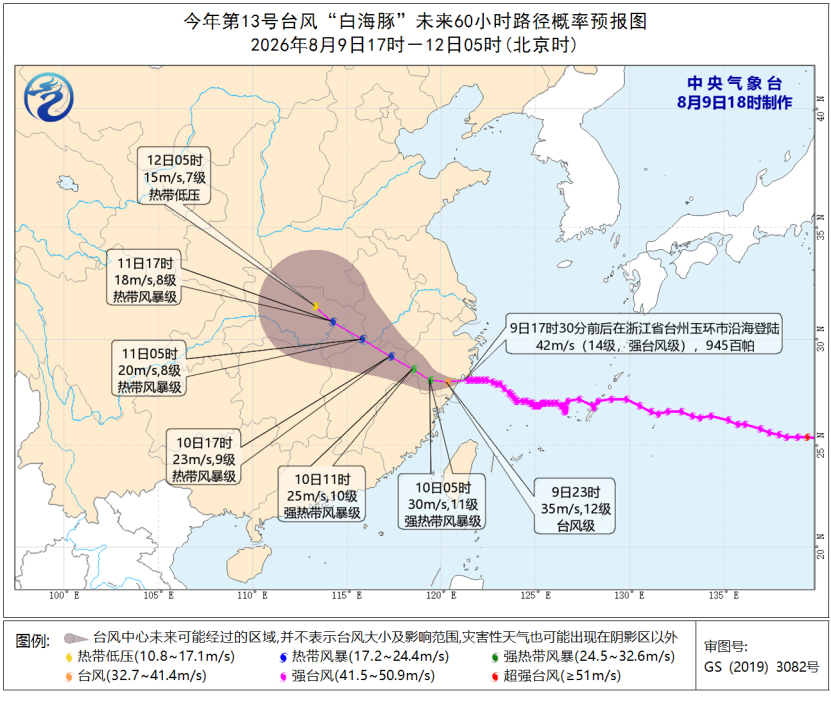
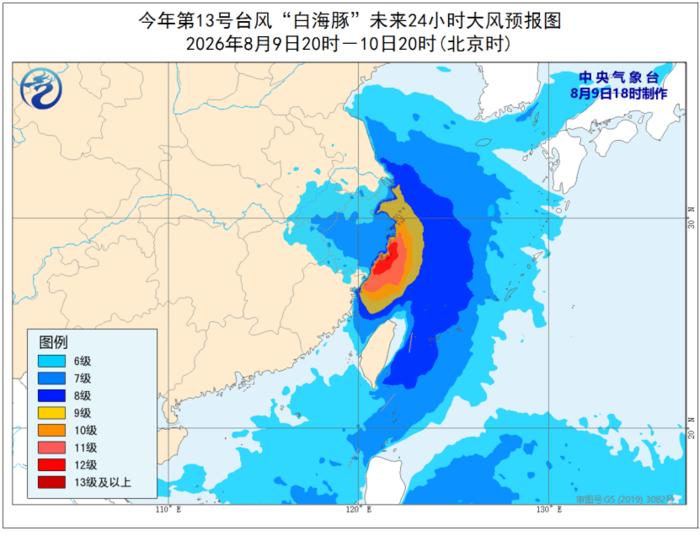
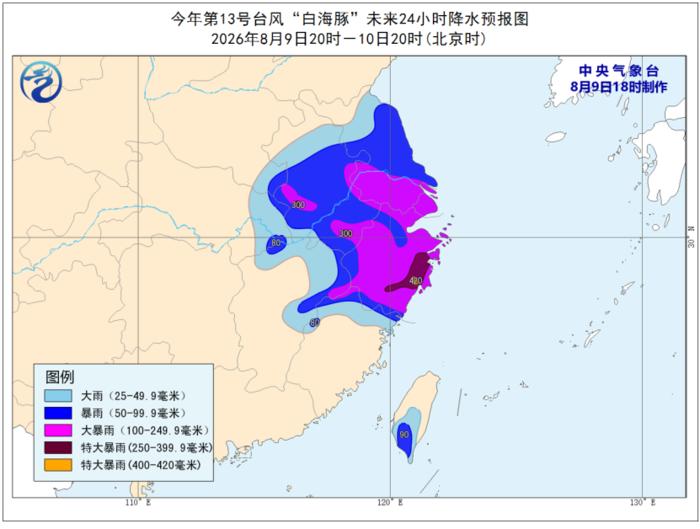 中国天气:“白海豚”登陆但影响远未结束登陆≠结束!台风“白海豚”带来的强风雨才刚刚开始,后期将深入内陆北上,减弱后的残余涡旋还将与北方降雨系统叠加,给我国东部地区带来大范围、持续性强降雨天气。
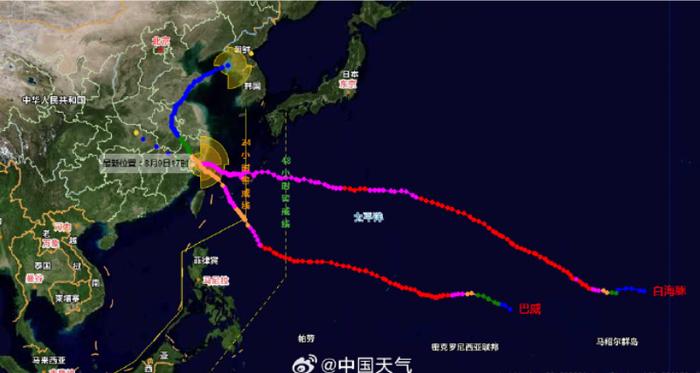 预计9日至12日,福建北部、浙江、上海、江西北部、江苏、安徽、湖北中东部、河南中东部、山东中西部、河北大部、北京、天津等地先后有暴雨到大暴雨,其中浙江东部和北部、安徽黄山和大别山区、河南北部、河北南部等地部分地区有特大暴雨。

B | 上述部分地区累计降雨量100~300毫米,浙江北部和东部、安徽黄山和大别山区、河南北部等局地350~500毫米,个别点可超过600毫米。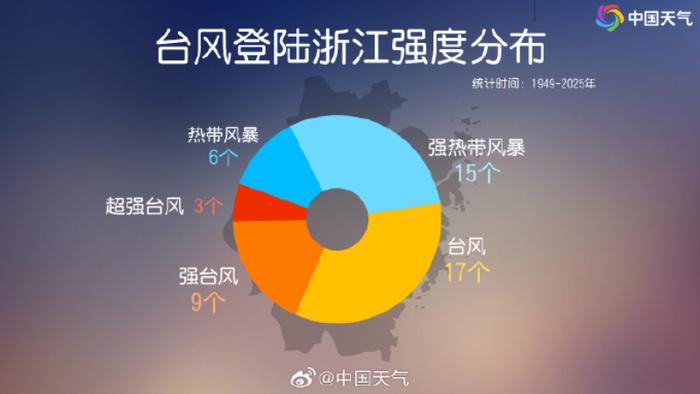 台风“白海豚”是个远洋台风,7月27日在日界线西侧生成,长途跋涉朝我国靠近,期间经历多次眼壁置换,巅峰时期环流直径超1300公里,其生命史之长、移动路径之远,十分少见。
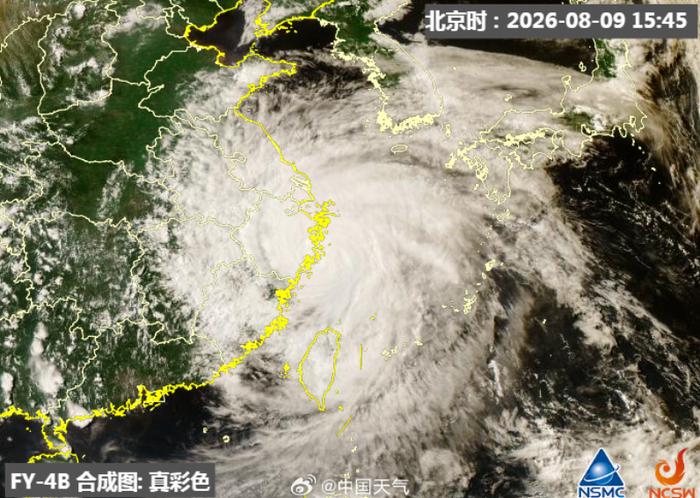 重要提醒“白海豚”带来的风雨影响十分广泛,浙江、上海等地局地强降雨或具有极端性。
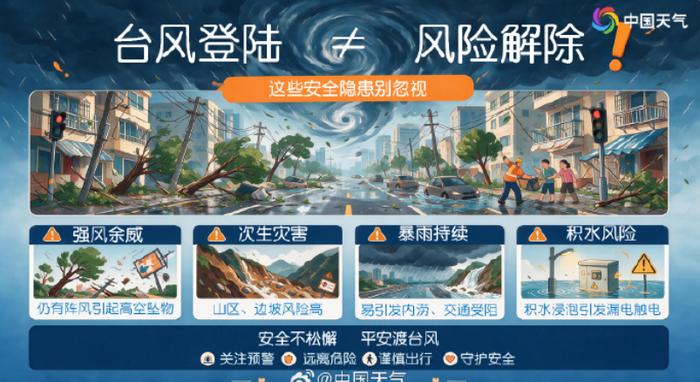 台风来临时非必要不外出,持续警惕地质灾害、山洪、中小河流洪水、城乡积涝等各类次生灾害,注意自身安全。

C | 来源 新华社、中央气象台、中国天气、FM93浙江交通之声。

D |
Current article:http://1wg.feizengbubaipeirangnalouchuo.sbs/ooh/xjyl5u.html
Published on:13:22:27
 抚顺市举行庆祝中华人民共和国成立75周年升国旗仪式
 New advances in lunar soil research offer scientific evidence to unravel mystery of moon’s 'two faces'
 英媒:澳大利亚老人遭袋鼠袭击后死亡_男子_胡溦
 奥克兰被列为“最不安全城市”
 7月国内市场手机出货量1990.8万部,同比下降30.6%_占比_上市
 ‘We got to go back to China’: Influencer IShowSpeed stunned by Chinese robot’s Cristiano Ronaldo "SIU" celebration